History
Mesilla began as a refuge for families who wanted to stay under Mexico, became part of the United States by a treaty that bears its name, was briefly a Confederate capital, hosted a famous trial and then watched the railroad go to its neighbour. This page tells that story in short, with a link to the source for every claim.

A short history of Mesilla
Mesilla began as a refuge for families who wanted to stay under Mexico, became part of the United States by a treaty that bears its name, was briefly a Confederate capital, hosted a famous trial and then watched the railroad go to its neighbour. This page tells that story in short, with a link to the source for every claim. For passages from the old books, see the reading list.
A name and a refuge
Mesilla is the diminutive of the Spanish word mesa, “table”: a lesser plateau in the Rio Grande valley beneath the great table-land [1]. After the Treaty of Guadalupe Hidalgo moved the border south of the village of Dona Ana, Mexican families who did not want to live in the United States moved to the west bank, and the town was incorporated in 1848 [2]. U.S. Boundary Commissioner John Russell Bartlett wrote that in March 1850 sixty people left Dona Ana for “the lands known as the Mesilla”, which they believed would lie in Mexico [1]. By October 1852 the Prefect of El Paso estimated the population at 1,900 [1].
The boundary and the treaty
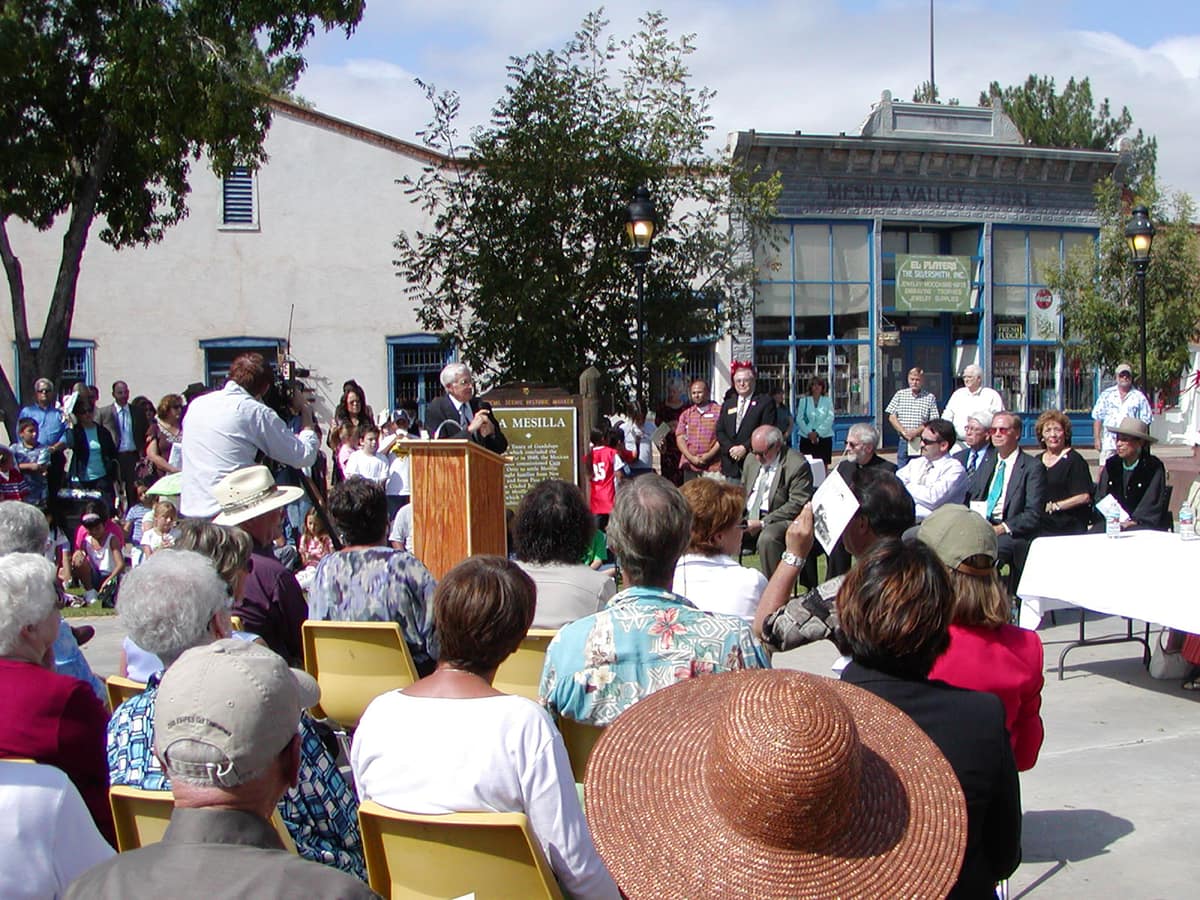
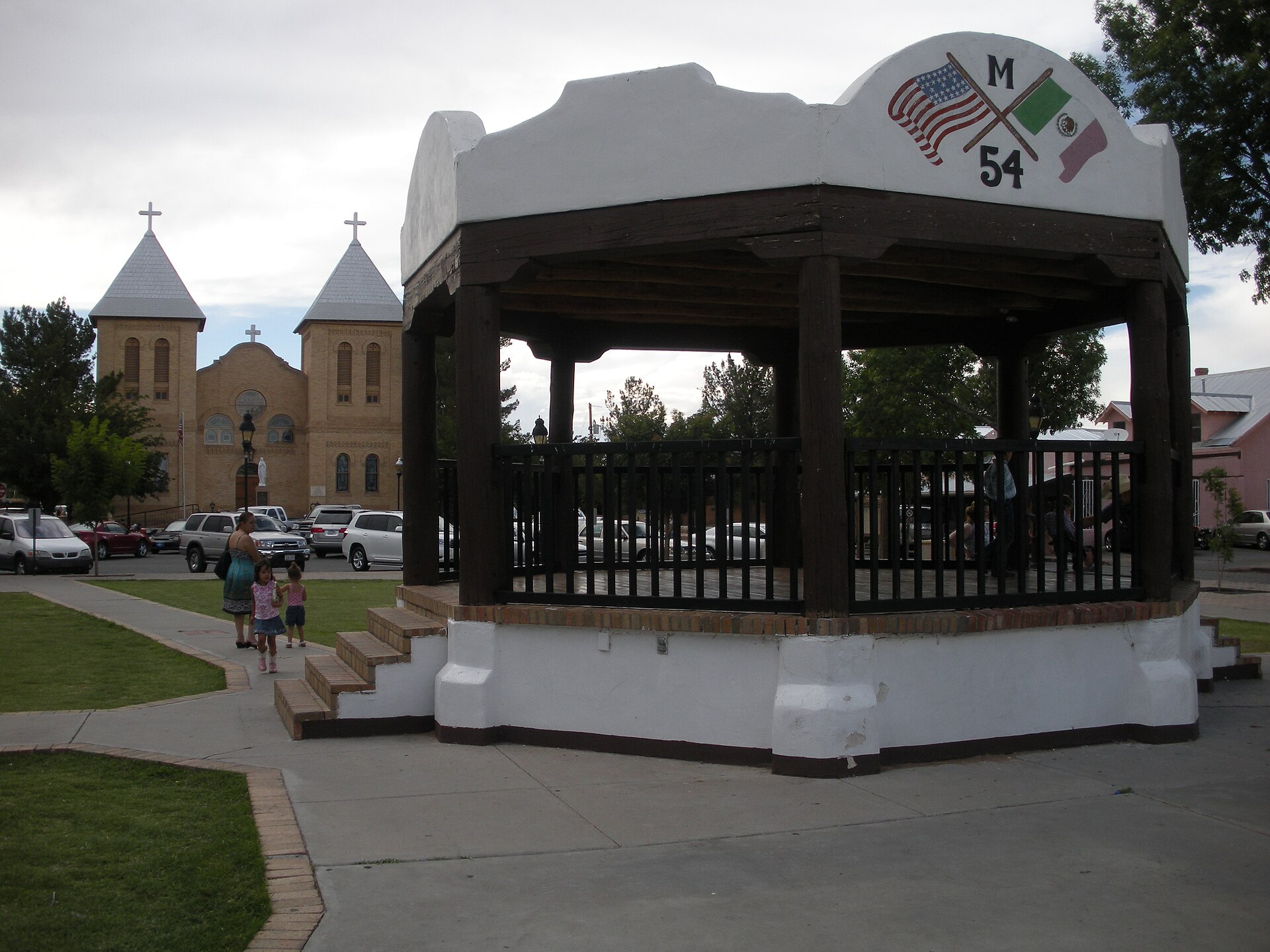
In April 1851 the boundary line was run and, according to the treaty map, left La Mesilla on the Mexican side; Bartlett reported cannon fire and a grand ball [1]. The map proved faulty, the strip became known as “No Man’s Land”, and the dispute was settled by the Gadsden Purchase [2]. The treaty, also called the Treaty of Mesilla, was signed in December 1853, took effect on June 8, 1854, and gave Mexico US$10 million [3]. On November 18, 1854 a flag-raising on the Mesilla Plaza confirmed United States sovereignty [4].
A crossroads town
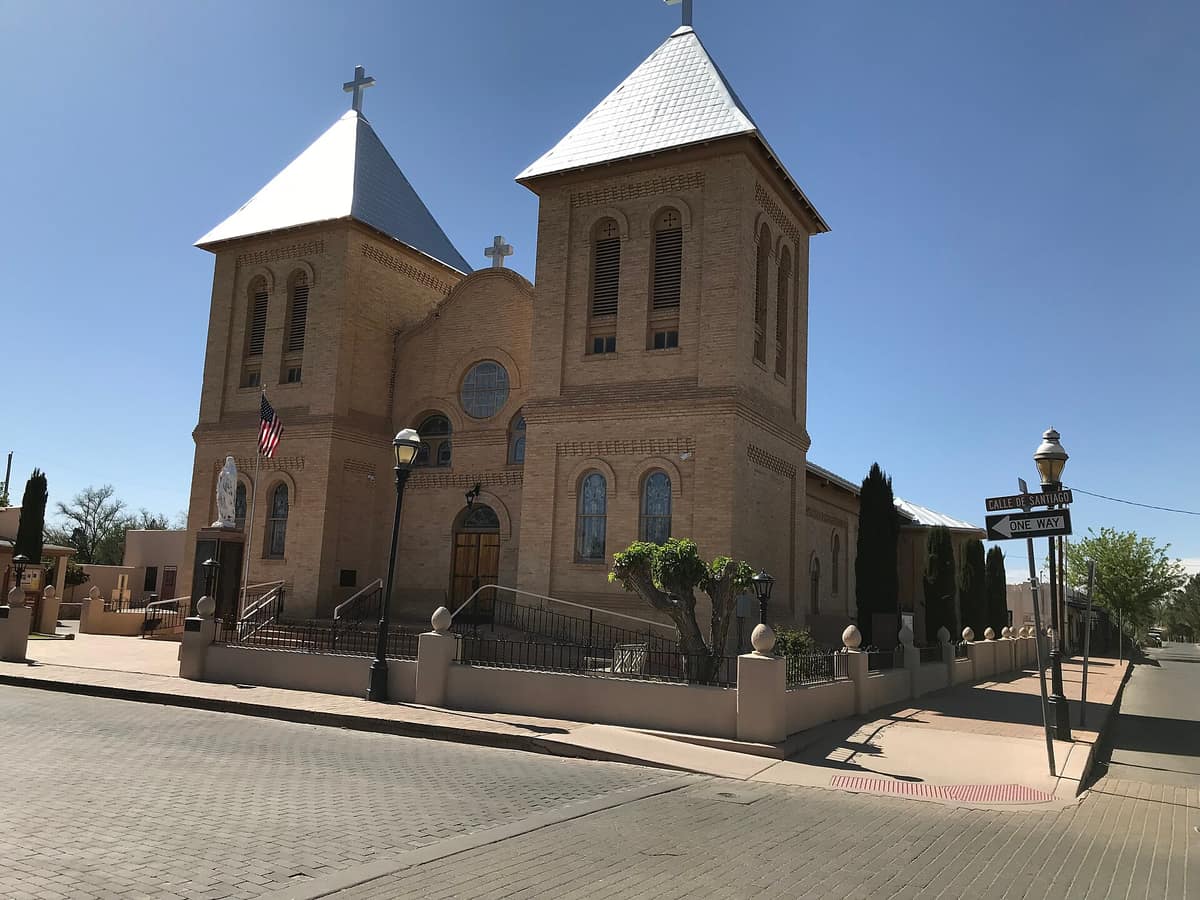
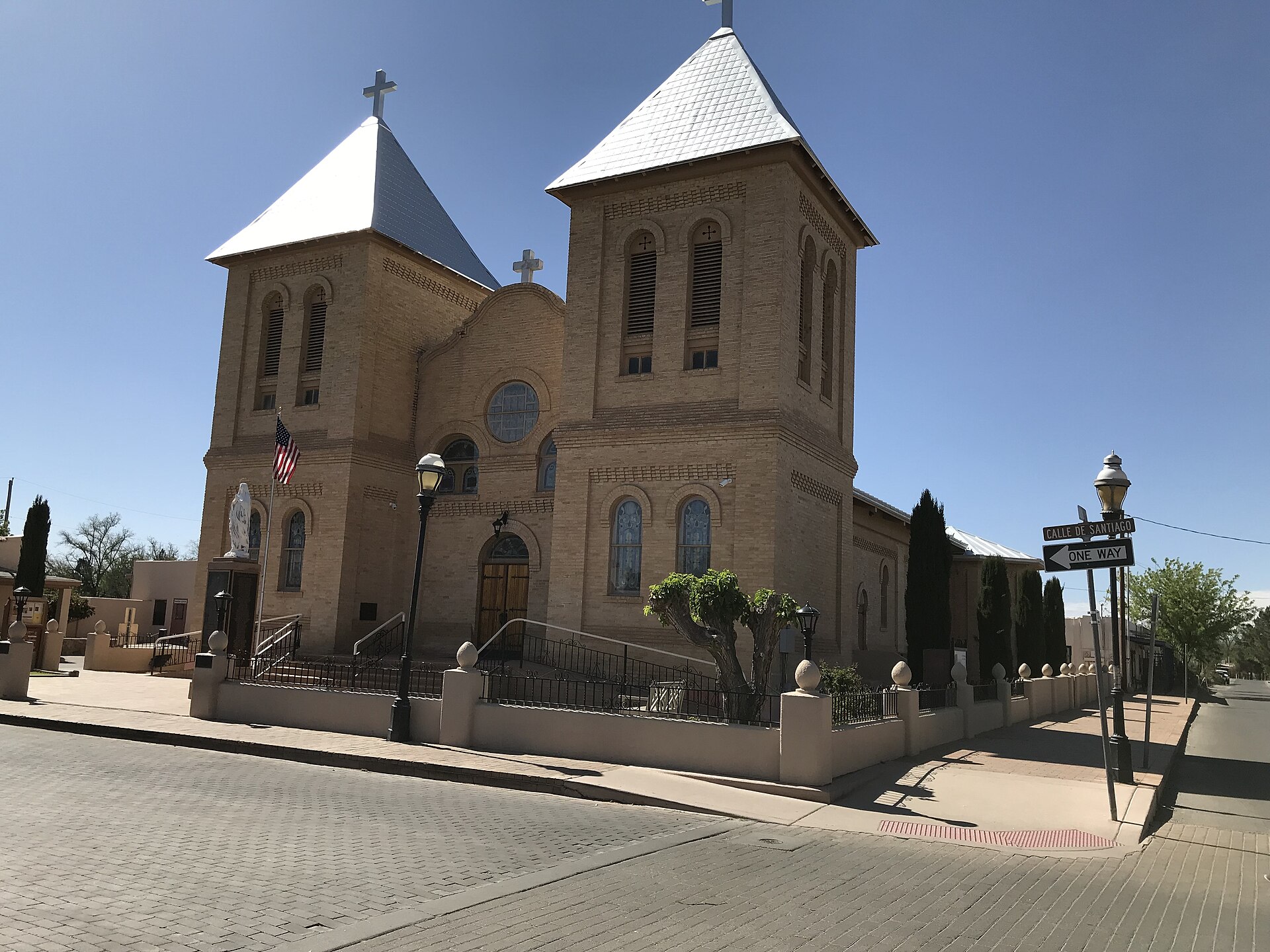
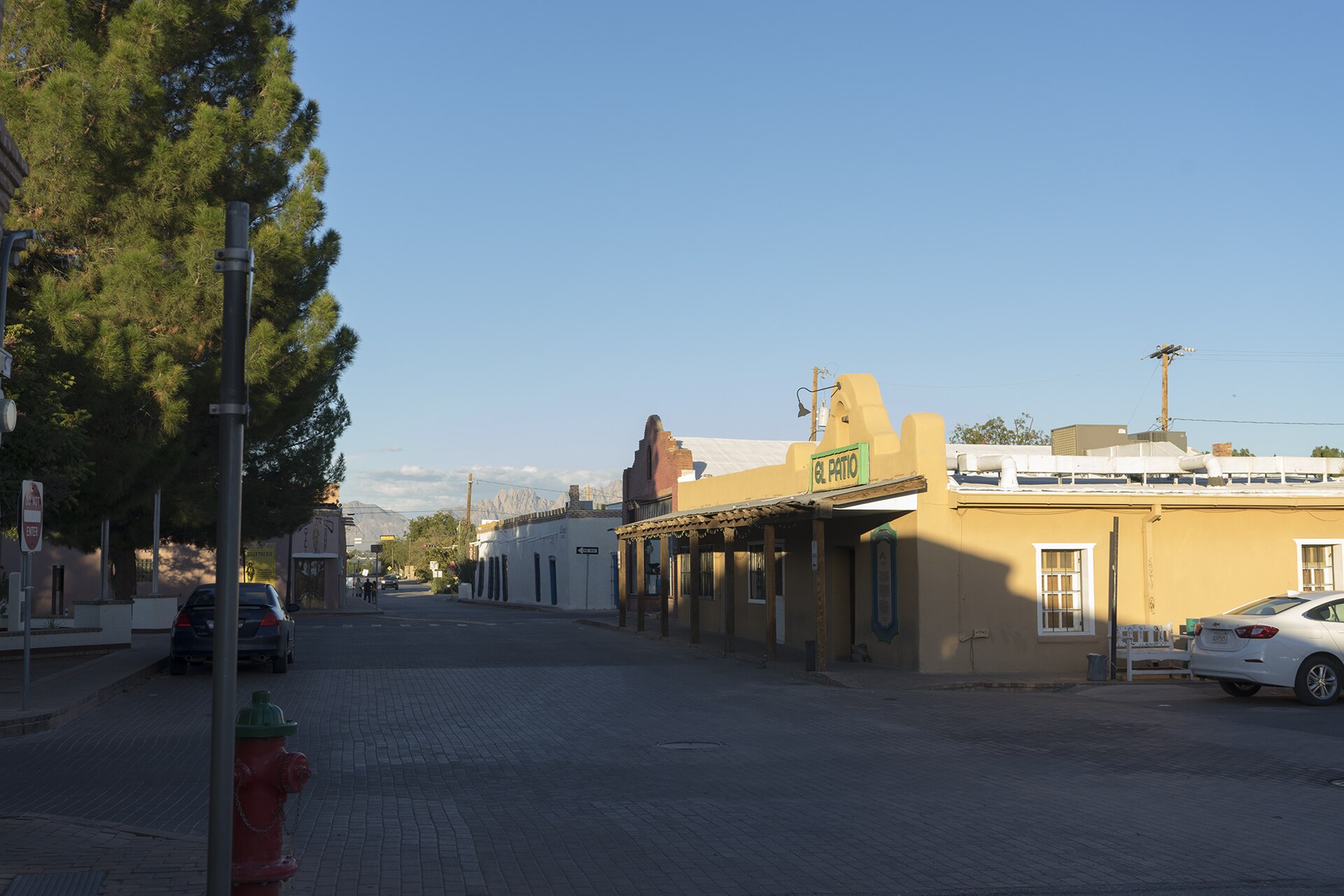
Mesilla stood at the crossing of the Butterfield Stagecoach and the Camino Real de Tierra Adentro, and by 1881 its roughly 2,000 residents made it the largest town between San Antonio and San Diego [2]. The original Butterfield ticket office and waiting room still stand beside the plaza [4]. The first church on the plaza was built in 1852 and dedicated to Saint Albinus of Angers; the present Basilica of San Albino replaced it in the early 1900s and was raised to a minor basilica in 2008 [5].
The Confederate capital
On July 25, 1861 Lieutenant-Colonel John R. Baylor’s Confederate Texans defeated Union troops from Fort Fillmore at the Battle of Mesilla; on August 1 he proclaimed a Confederate Territory of Arizona with Mesilla as its capital [6]. The Confederates abandoned the town in July 1862 as the Union’s California Column approached [6].

Riot, trial and the railroad
On August 27, 1871 a political rally on the plaza became a riot that killed nine people and injured about fifty [4]. In April 1881 Billy the Kid was tried in Mesilla for the murder of Sheriff William Brady; he was defended by Albert J. Fountain, found guilty, and sentenced by Judge Warren Bristol to hang [7][8]. That same year the Santa Fe Railway chose Las Cruces, whose landowner offered free land, over Mesilla, and Mesilla stopped growing [2]. Fountain, who had founded the Mesilla Valley Independent newspaper and the Fountain family’s opera house (today the Fountain Theatre), disappeared with his young son near White Sands in 1896 [8].
The valley and the town today
A 1912 federal survey called the Mesilla Valley some of the oldest agricultural land in the United States; its early settlers raised livestock and the 1881 railroad broadened the crops [9]. The plaza district was declared a National Historic Landmark in 1961, and the town counted 1,797 residents in 2020 [2].
Key dates
01
1848
A town for those who stayed
Mesilla is incorporated after the Treaty of Guadalupe Hidalgo moves the border south of Dona Ana. Source ↗
02
1850
Sixty settlers cross the river
On March 1 sixty people from Dona Ana move to the Mesilla lands on the west bank. Source ↗
03
1851
Fort Fillmore
The United States builds the army post to protect the valley from Apache attack; the boundary line is run in April. Source ↗
04
1854
The Gadsden Purchase
The treaty takes effect on June 8; on November 18 a flag-raising on the plaza confirms U.S. sovereignty. Source ↗
05
1861
Confederate capital
John R. Baylor wins the Battle of Mesilla on July 25 and proclaims a Confederate Territory of Arizona on August 1. Source ↗
06
1871
The plaza riot
A political rally on August 27 turns violent: nine people die and about fifty are injured. Source ↗
07
1881
Trial and railroad
Billy the Kid is tried and sentenced in Mesilla; the railroad chooses Las Cruces instead. Source ↗
08
1905
The Fountain Theatre
The Fountain family’s opera house is rebuilt; it is now New Mexico’s oldest motion picture theater. Source ↗
09
1961
National Historic Landmark
The La Mesilla Historic District, including the plaza, is declared a landmark. Source ↗
10
2008
A basilica
The Holy See raises San Albino to a minor basilica. Source ↗
Sources
1. Personal Narrative of Explorations... vol. 1 — John Russell Bartlett (1854)
2. Mesilla, New Mexico — Wikipedia
3. Gadsden Purchase — Wikipedia
5. Basilica of San Albino — Wikipedia
6. Confederate Territory of Arizona — Wikipedia
8. Albert Jennings Fountain — Wikipedia
9. Soil Survey of Mesilla Valley, New Mexico-Texas — USDA (1912)